 Great Dane
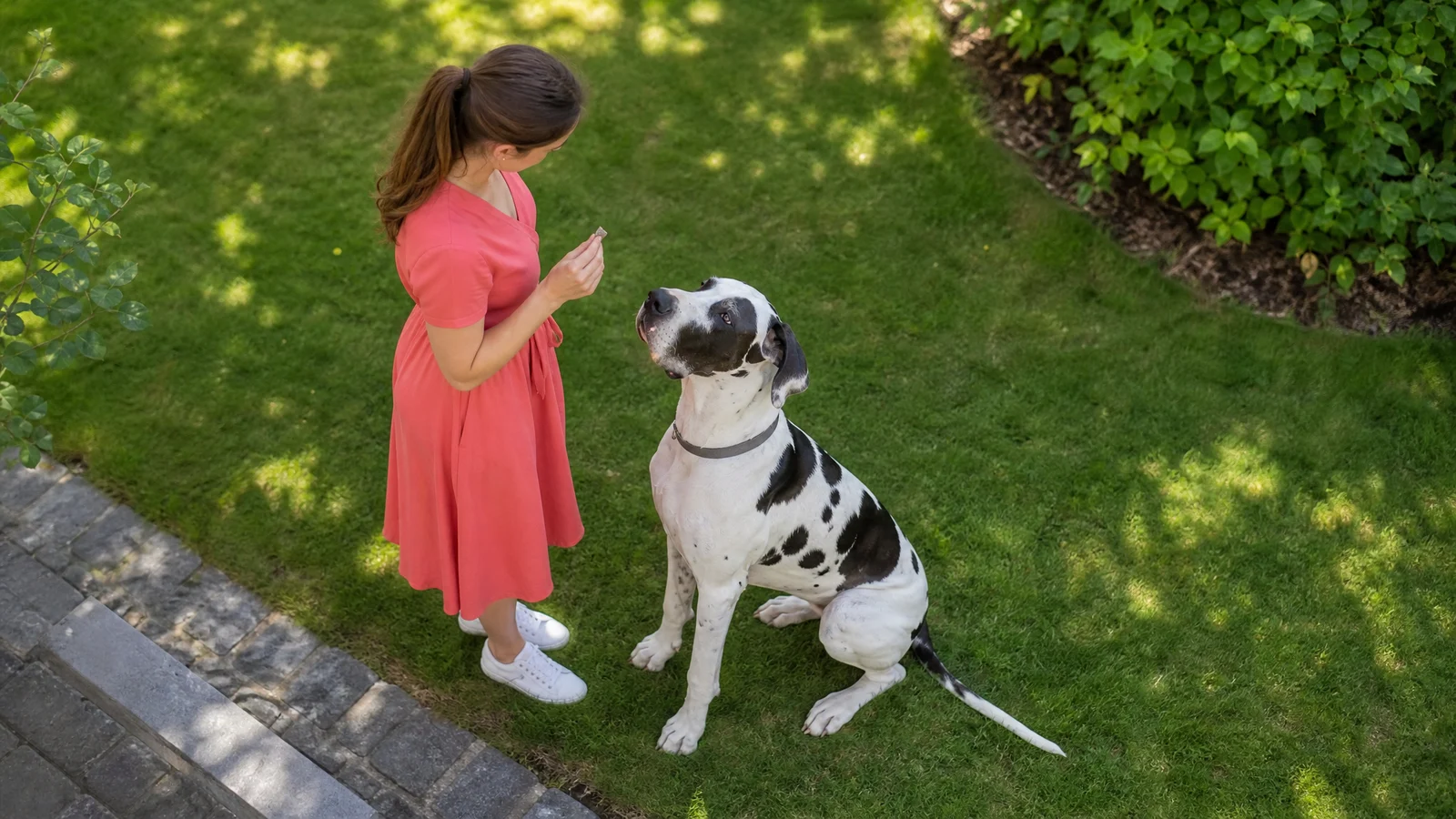
A Great Dane does not need to behave dramatically for training gaps to reshape a room. One cheerful step into a doorway can stop traffic, one greeting can reach a guest's face and one abandoned settle can put a giant body across the floor. Size turns ordinary manners into household infrastructure.
The complete approach is therefore a system, not a bag of commands. Rewards explain what works, the environment prevents unwanted rehearsal, socialization builds comfort and daily routines keep skills available.
This guide connects those parts from the first marker to mature upkeep, using only reward-based methods and adjusting each lesson to the dog in front of you. We will build the system from reinforcement and setup through socialization, daily cues, public practice, troubleshooting and lifelong maintenance.
The Great Dane Training System
Start by deciding what the dog should do in the moments that matter. “Do not jump” is incomplete, while “keep four paws down, then touch my hand” provides an action you can reward. “Stop blocking the hall” becomes “go to the mat while people pass.” Clear alternatives make the household consistent.
The Great Dane Club of America says the breed's desire to please is a primary training asset and emphasizes socialization from the time a puppy comes home. The club's puppy guidance also recommends puppy classes followed by basic obedience. Choose instruction that relies on rewards and gives the dog enough space to learn.
Define the Daily Outcomes
List the recurring situations in your home: doors opening, meals, visitors, leash attachment, rest time and car loading. Give each situation one default behavior. The list becomes your curriculum because it reflects the life the dog actually lives.
Train the default away from the real pressure first. Practice waiting at an interior doorway before trying the front door with a visitor outside. Practice a mat while the room is quiet before asking for it during dinner. Easy rehearsals produce a behavior you can later use.
Manage What the Dog Cannot Do Yet
Management keeps an unfinished skill from being overwhelmed. Use gates, distance, a prepared mat and a leash where appropriate to prevent the dog from practicing the opposite behavior. Management is not punishment and should never frighten or isolate the dog.
Every barrier needs a training plan beside it. A gate can keep the Dane from rushing a guest today, while rewarded mat work teaches the future alternative. Without the teaching step, the household remains dependent on equipment and the dog never learns the desired choice.
Rewards and Markers for Great Dane Training
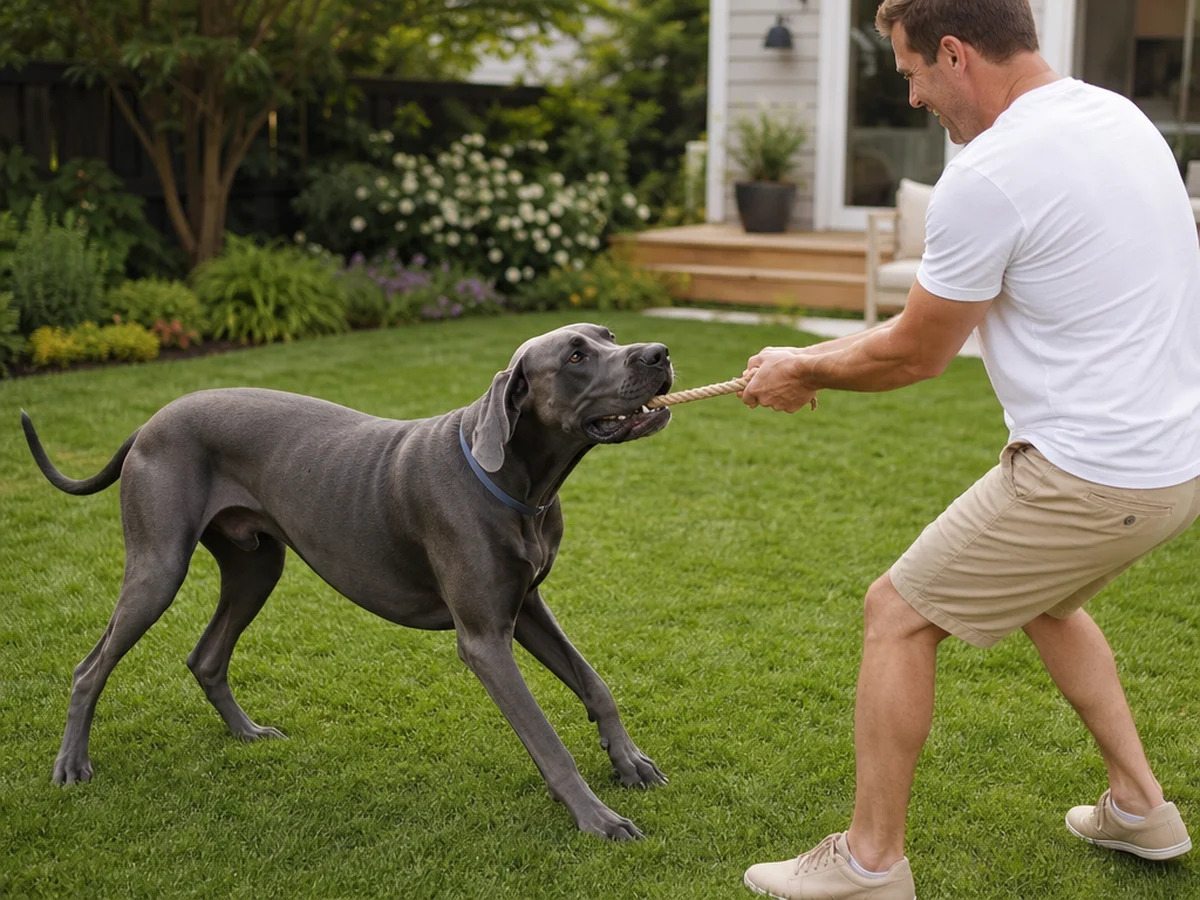
A reward is anything the dog values in that moment. Food is convenient, but access to sniffing, a toy, praise or permission to greet can also reinforce behavior. Test the reward rather than assuming. If the behavior becomes easier to repeat, the consequence is doing its job.
Teach the Marker Before Complex Cues
Choose a brief word or a clicker. In a quiet room, mark and then deliver a treat several times without asking for behavior. The marker should predict a reward, so keep that promise even if your timing was imperfect.
Next, mark a simple choice such as looking toward you or touching an offered palm. Place the treat beside your leg or at the station that begins the next repetition. Good placement reduces confusion and helps a large dog move smoothly without being physically arranged.
Match Reward Value to Difficulty
Use ordinary rewards for familiar work in a quiet room and better rewards for harder environments. If the dog cannot eat, play or respond, the setting may be too difficult. Add distance, remove a distraction or shorten the session before changing the cue.
The PLOS ONE paper linked in the brief associated mostly aversive training with more stress behavior and tenser postures than reward-based training. That evidence supports a clear position: do not use pain, fear or intimidation to teach this breed.
Great Dane Training Through Gradual Socialization
Socialization is guided learning about people, animals, surfaces, sounds and places. It is not maximum contact, and it does not require every stranger to touch the puppy. The goal is a dog who can notice ordinary life, remain comfortable and return attention to the handler.
The AVMA socialization guide identifies early puppyhood as the period when dogs are especially open to learning about their surroundings. Begin with safe, positive exposures and coordinate health precautions with your veterinarian rather than waiting to introduce every part of the world at once.
Use Distance as Part of the Lesson
Let the puppy observe a person, dog, rolling cart or unusual surface from a distance where their body remains loose. Mark a calm look and reward. Move away before worry builds, then decide whether another approach is appropriate.
Do not lure a hesitant dog into contact and then allow the person to reach over them. Reward investigation, protect the option to retreat and keep greetings brief. Confidence grows when the dog learns that you notice discomfort and will not force the encounter.
Separate Exposure From Interaction
A puppy can learn about a playground by watching from a suitable distance. They can learn about a delivery worker without greeting. This distinction prevents sociability from becoming an expectation that every person or dog is available.
Pair novelty with familiar behaviors such as a hand target or mat settle. If the dog cannot perform an easy behavior they know well, lower the challenge. Socialization should expand comfort, not prove that the dog can endure a crowded setting.
Core Great Dane Training Cues
Prioritize cues that organize a large dog's movement through shared space. A compact foundation is more useful than a long trick list when each behavior works in the kitchen, at the door and on a walk. Teach one piece at a time, then practice it in several easy locations.
- Name response: Your Dane hears their name and promptly orients toward you.
- Hand target: The nose touches your palm, creating a reward-based way to guide position.
- Recall: The dog moves toward you after a single cue and receives a valuable reward.
- Wait: The dog pauses at a boundary until released.
- Mat: The dog travels to a defined resting place and relaxes there.
- Leave it: The dog disengages from an item before taking it.
- Drop: The dog releases an item in exchange for another reward.
- Loose leash: The dog moves with slack in the line and checks in voluntarily.
Build Duration, Distance and Distraction Separately
When teaching a mat, first reward staying for a little longer while you remain close. In another session, take one step away and return quickly. Add a mild distraction only after the dog understands the location.
Raising all three challenges together often makes a cue look unreliable. The dog who can settle while you stand nearby in a quiet room has not yet learned to settle across a busy patio. Break the problem apart and reward the version they can solve.
Household Training That Prevents Rehearsal
Household manners grow from setup as much as formal sessions. Keep food away from accessible edges, prepare rewards near common training spots and decide where the dog rests while people eat. The environment should make the desired choice easy to find.
Doorways and Narrow Paths
Teach the Dane to pause several steps back from an interior door. Touch the handle, mark staying back and reward. Open the door slightly, close it, reward again and release only when the path is clear.
For hallways, use a hand target to guide the dog to one side and reward them for holding that lane while a person passes. Practice without traffic first. A clear station is easier to repeat than asking the dog to improvise around knees and grocery bags.
Food, Furniture and Rest
Reward the mat while meals are prepared instead of waiting for counter interest. For furniture, decide whether access is always allowed, invitation-only or unavailable, then teach an alternative bed. Changing the rule from day to day makes the dog's behavior look stubborn when the signal is actually inconsistent.
A settle is different from a rigid stay. The dog may shift position, rest their head and sleep while remaining in the defined area. That flexibility makes the behavior useful for real evenings rather than only brief demonstrations.
Great Dane Training in Shared Public Space
Public manners begin at distances where the Dane can still think. Reward noticing a person or dog, then reward turning back toward you. Do not wait for pulling or jumping before producing food, because the useful choice occurs earlier.
Greetings Are Earned Access
Ask the person to wait while the dog keeps four paws down. Mark the pause, then release for a brief greeting if everyone is comfortable. Call the Dane back, reward and end while the body remains loose.
Skip greetings when the space is tight or the dog is overexcited. Socialization does not create an obligation to meet. A dog who can pass calmly has a more valuable skill than one who drags the handler toward every possible friend.
Loose-Leash Practice Starts Quietly
Reward the dog for standing beside you before taking the first step. Walk a short line, mark slack in the leash and deliver the reward near your leg. Turn before tension builds and pay for following.
When another dog appears, add distance early. A Great Dane's strength makes prevention especially important, but the training remains the same reward process. Keep enough distance for slack-leash choices and reward the dog for reconnecting with you.
Exercise and Rest Inside the Training Plan
Training works poorly when the dog has no opportunity to move, sniff or rest. It also works poorly when every activity raises arousal. Build a day that alternates engagement with recovery, then place difficult lessons when the dog is awake and able to focus.
A sniffing walk can support attention without being turned into constant heel work. A food search can provide mental activity, and a mat session can rehearse the return to calm. Adjust the mix from the dog's response, then use how to train calm indoor behavior when shared-space skills need more attention.
Use Short Sessions With Clear Endings
Choose one behavior and a small criterion before beginning. Stop after several successful repetitions, give a release cue and put the rewards away. The ending helps the dog distinguish active learning from ordinary household time.
Several small sessions can fit into real routines. Practice a wait before going outside, a hand target after the leash clips on and a mat while food is prepared. These repetitions matter because they occur where the skills will be used.
Troubleshoot the Training System
When progress stalls, inspect the system before labeling the dog. The cue may be unclear, the environment too difficult, the reward too weak or the behavior physically uncomfortable. Change the setup based on what you observe.
- If the dog never begins, return to a simpler action and reward any movement toward the goal.
- If the dog succeeds at home but not outside, reduce distance, duration or distraction rather than repeating the cue.
- If the dog becomes frantic around rewards, slow delivery and reinforce pauses between repetitions.
- If one family member gets different results, compare cue words, hand signals and reward timing.
- If behavior changes suddenly or movement appears uncomfortable, pause the lesson and contact your veterinarian.
Adolescence and Setbacks Need Easier Rehearsals
A behavior can weaken when the environment changes or distractions gain value. Treat that as information, not defiance. Return to the last reliable version, reward generously and rebuild one challenge at a time.
Do not punish growling, avoidance or refusal. Those behaviors communicate discomfort and give you a chance to change course. Qualified reward-based help is appropriate when fear or reactivity exceeds what you can manage safely.
Maintain Great Dane Training for Life
Maintenance does not mean drilling every cue daily. Keep the high-value household behaviors embedded in normal life, and occasionally pay them as well as you did during teaching. A mature dog still benefits when a fast recall or calm doorway wait earns an excellent reward.
Expand the system only when a new behavior solves a real problem or provides useful enrichment. Great Dane Crate training can add a rest station, Great Dane sports may offer structured work and how to train calm apartment behavior can refine shared-space skills.
Keep routine veterinary visits in the lifelong plan, especially when a familiar behavior changes suddenly or movement looks uncomfortable. Training can clarify cues and reinforce choices, while a veterinarian evaluates possible physical contributors.
The complete guide comes back to one principle: make the wanted choice clear, possible and worth repeating. Rewards teach the choice, management protects it and gradual practice makes it portable. With that system in place, Great Dane training becomes part of the household rather than a reaction after something has gone wrong.
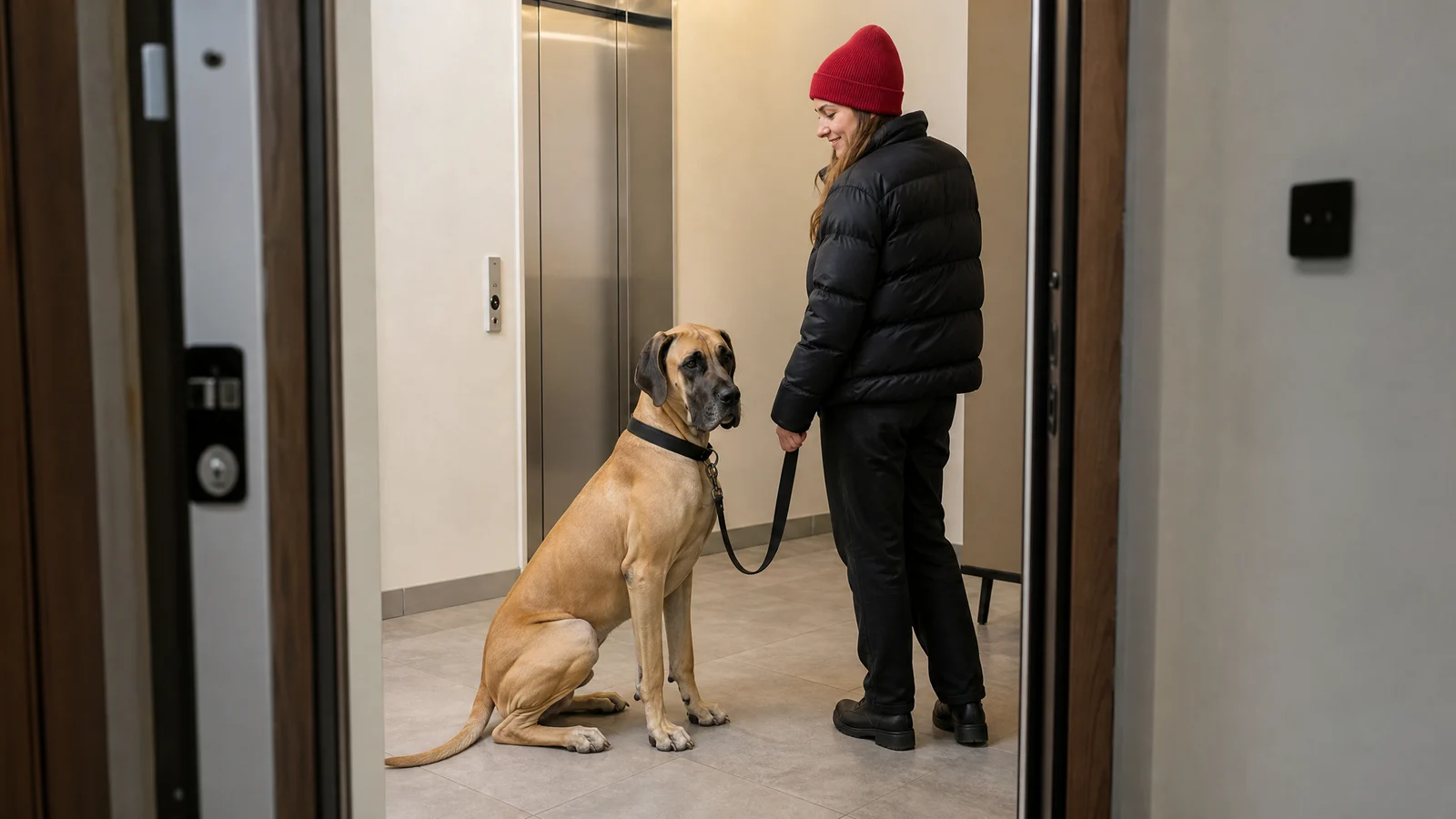 Training basicsHow to Teach a Great Dane Calm Apartment Manners
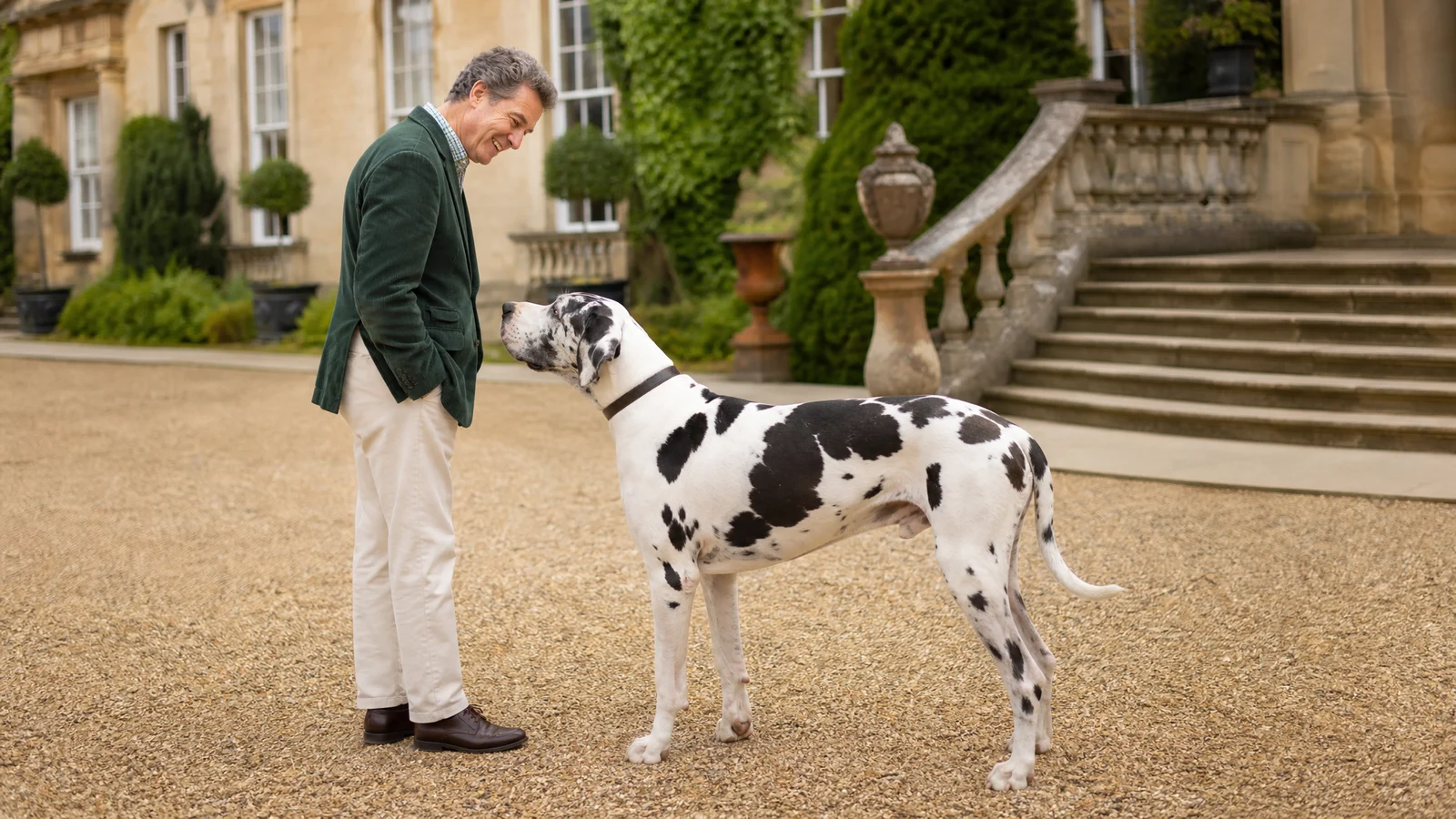 BehaviorWhy Great Danes Jump Up and What to Reward Instead
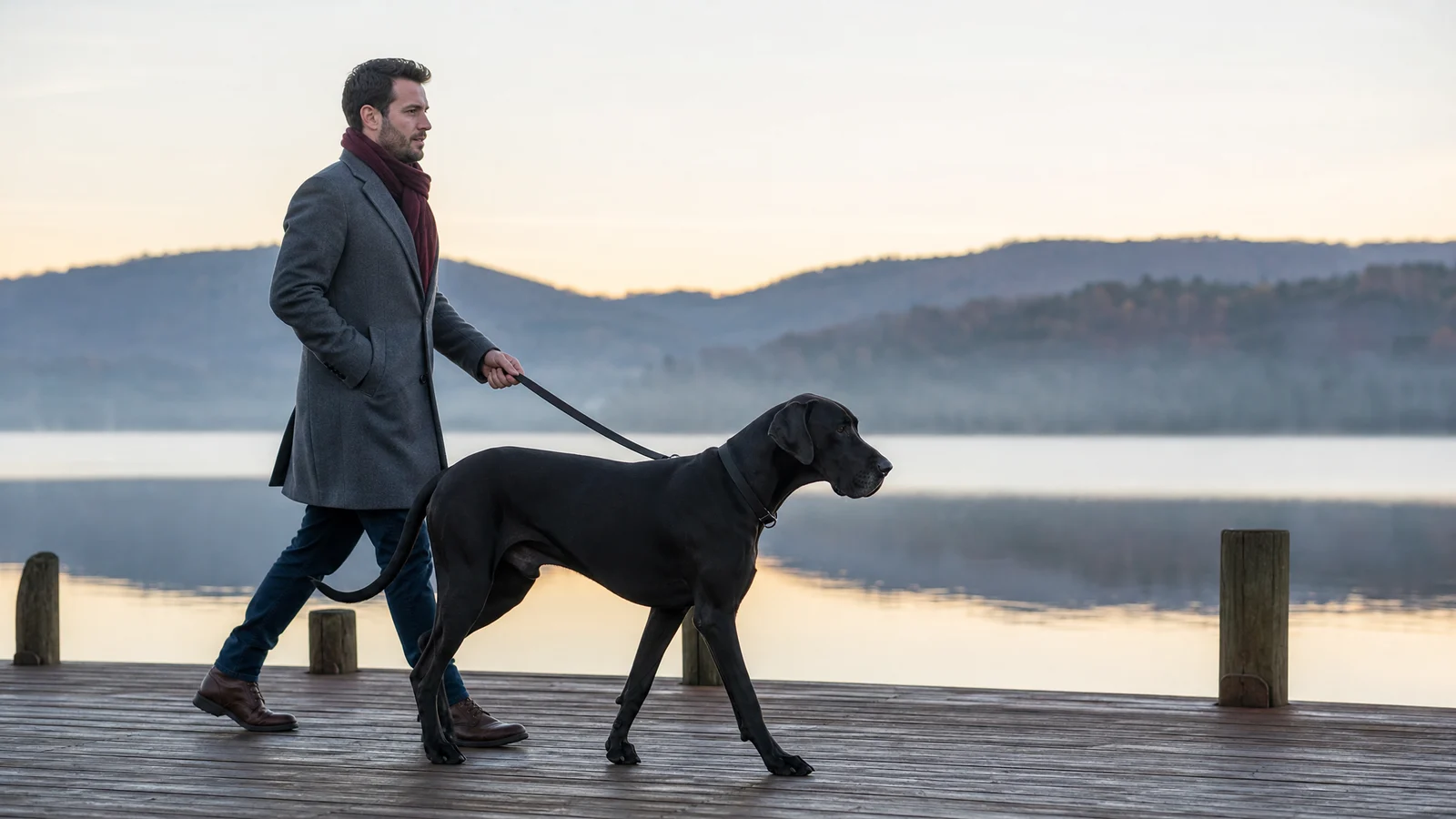 Training basicsLoose-Leash Walking for a Great Dane Who Pulls