 Great Dane
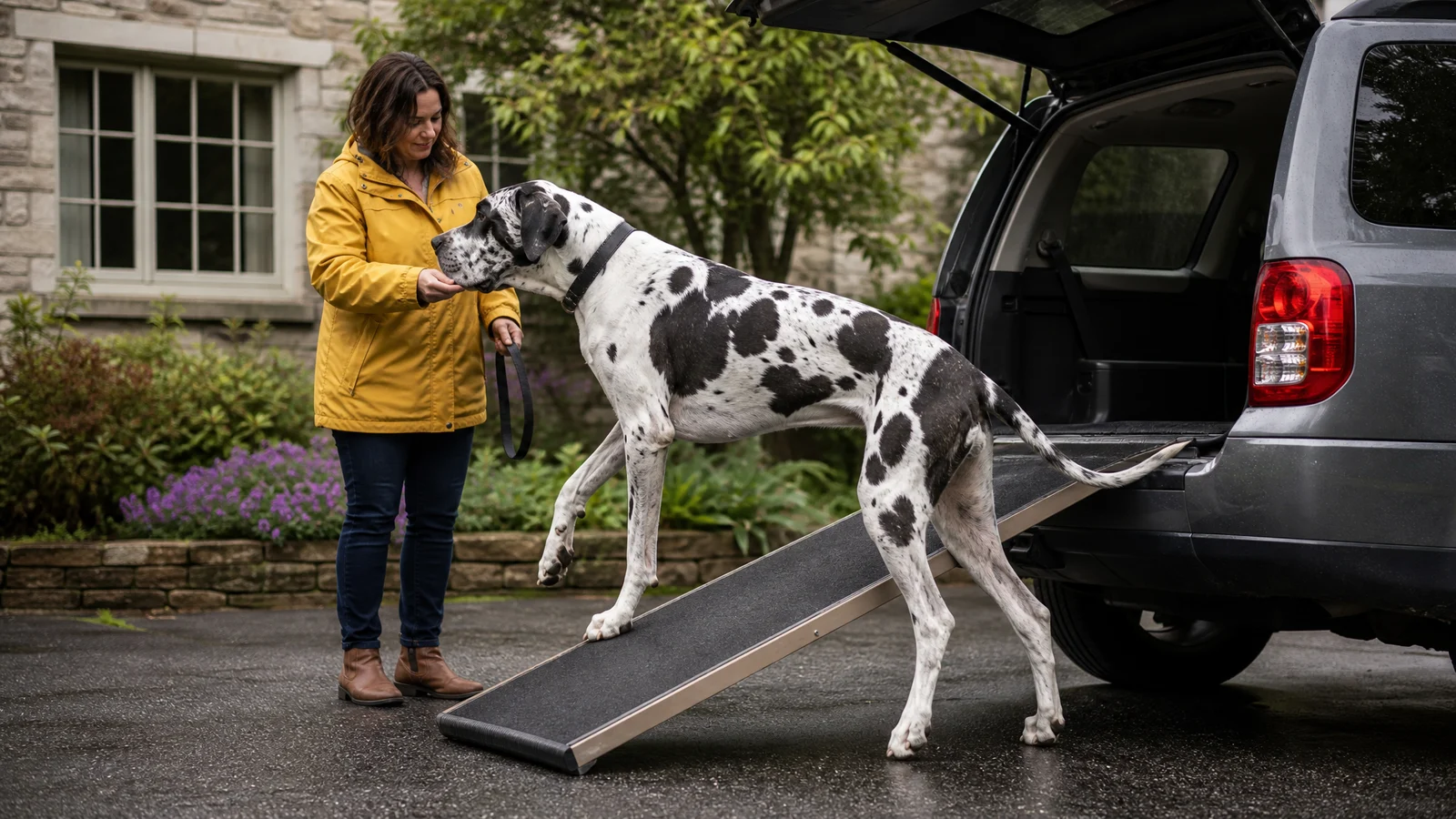
Begin Great Dane car training before the dog must go anywhere. The best time is well before a required trip, when the vehicle can stay parked, the door can remain open and ending the session costs nothing. Waiting for an appointment turns loading into a deadline, and a dog this large is difficult to lift or steer when they hesitate.
Use a ladder of small, rewarded steps instead. Calmly seeing the car comes before approaching it, approaching comes before loading, and loading comes before movement. This guide separates those rungs so you can identify exactly where confidence changes, practice that point and avoid forcing the dog through the rest of the trip.
Great Dane Dog Sports Travel Before the Trip
Choose a safe, quiet place where the vehicle can remain off and secured. Open the loading door, clear loose objects and decide where the Dane will ride. Prepare the restraint or secured travel setup before bringing the dog out, so equipment changes do not interrupt a successful entry.
The AKC breed page emphasizes that owning a dog of this imposing size, weight and strength is a serious commitment. Car manners are one practical part of that commitment. Voluntary loading matters because repeatedly lifting a giant dog is not a realistic training plan.
Find the First Comfortable Distance
Walk toward the car only until the dog notices it while remaining able to eat and move normally. Mark a glance at the vehicle, reward, then turn away. Repeat from that distance. The retreat is part of the reward because it shows the Dane that noticing the car does not trap them near it.
If the dog already rushes toward the car, reward a pause before the final approach. Confidence and impulse control are separate skills. The loading ladder should create a dog who can wait for the cue, not one who dives through an open door whenever a vehicle appears.
Parked-Car Practice for Great Dane Dog Sports Travel
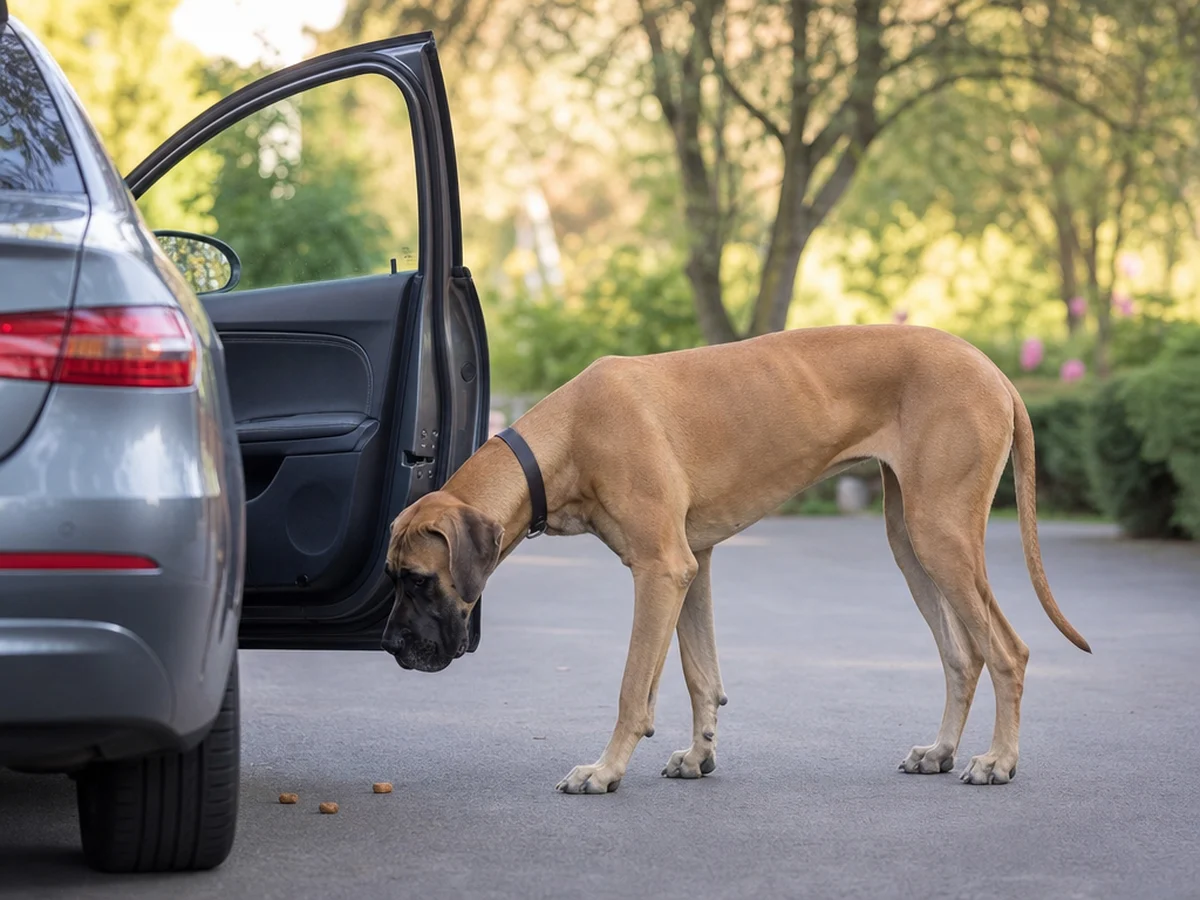
Battersea guidance says not to force a nervous dog closer. It recommends letting the dog investigate and rewarding calm looks, movement toward the car and sniffing. That progression gives you clear criteria for the approach rung.
Reward Direction, Not a Fixed Distance
Stand with the leash loose and wait for any small movement toward the car. Mark and reward, then toss the next treat away from the vehicle so the dog can reset. On the next repetition, let them choose whether to return. This approach prevents food from becoming a lure that pulls the dog farther than they intended.
Move around the vehicle over several sessions. A dog may be comfortable near the passenger side and wary at the open hatch. Reward investigation without assuming confidence transfers instantly. Close the door softly between repetitions only after the dog is relaxed around the open vehicle.
Practice the Loading Area Without Loading
Spend time beside the exact entrance. Touch the door frame, move the restraint and step into position while feeding the dog on the ground. These details can become signals that pressure is coming, so pair them with calm rewards before asking for feet inside.
Check the surface and access route. The brief supports training the behavior, not specifying a particular ramp, step or vehicle arrangement. Choose a stable setup suitable for your dog and car, and ask your veterinarian for individual advice if mobility or comfort affects entry.
The Great Dane Loading Cue for Dog Sports Travel
Add the cue only when the Dane is already approaching the open entrance willingly. Say the cue once, wait for movement toward the opening and mark that choice. Early repetitions can end with a nose inside or front feet near the threshold. The cue should predict a familiar action, not pressure to complete the whole climb.
Shape Entry in Pieces
Reward the first touch at the threshold, then a little more weight forward and eventually the complete entry. Place rewards where the dog can keep stable footing. Avoid pulling on the collar or tightening the leash behind them, which can turn hesitation into a struggle.
After a successful entry, allow an immediate exit if the dog wants one. Re-entering is more valuable than remaining trapped. When the Dane begins loading readily, pause briefly inside, reward and give a release cue before they step out.
Do not use a running jump as the default solution. A fast launch can hide uncertainty and makes the behavior harder to control in a parking area. Reward a deliberate wait, a single loading cue and a calm entry suited to the setup.
Great Dane Settling for Dog Sports Travel
Loading and riding are different rungs. Once the dog enters comfortably, spend several sessions going nowhere. Attach the appropriate car restraint or secure the travel setup, sit nearby and reward the Dane for standing calmly, turning around safely and choosing to lie down.
Best Friends guidance discusses attaching the dog's car restraint, sitting with them and using praise, toys or food. For a Great Dane, build acceptance of that arrangement through brief parked sessions rather than introducing it moments before the first drive.
Teach Restraint as Its Own Cue
Show the hardware, mark a calm look and reward. Touch it to the attachment point, reward again, then connect it briefly and disconnect. Increase duration while the car remains quiet. The dog should be able to shift into the intended riding position without fighting the equipment.
Keep food delivery low and calm. Rapid feeding can create fidgeting when you need stillness. Space rewards while the Dane remains relaxed, then release and unload before they become restless.
Practice your own routine too. Sit in the driver's seat, close your door, adjust a mirror and step out again. Each ordinary human movement should become boring before the engine adds another layer.
Engine Noise and Short Dog Sports Trips
Start the engine only after parked settling is familiar. Have another adult observe the dog if possible while you remain responsible for the vehicle. Start, reward calm behavior, turn the engine off and unload. The first engine session does not need to leave the parking spot.
Next, add a very short movement in a safe setting and return. Keep the destination neutral or pleasant rather than making every ride end at a demanding appointment. Continue using the same loading cue, restraint routine and release cue so movement is the only new variable.
Keep the Exit Under Cue
Arrival can produce more rushing than departure. Before opening the loading door, secure the leash and ask the Dane to wait. Open the door partly, reward staying inside, then give the release when the path is clear.
If the dog surges, close the door enough to prevent an exit without trapping paws, reset and reward a brief pause. Practice at home after a short stationary session. A controlled unload protects the training from ending in a leap toward an unfamiliar parking lot.
Increase only one feature at a time. Choose a little more movement, a different quiet destination or a slightly longer parked wait. Do not combine a longer drive, busy location and difficult unload on the same new rung.
Repeat the return home as carefully as the departure. Stop, secure the leash, wait for a loose body and unload on the release cue. Then walk a short loop before going indoors, so arriving does not always predict a burst through the nearest doorway.
Destinations can change the dog's feelings about the car. Mix necessary travel with brief rides that end at a quiet sniffing location or simply return home. Keep the experience within the dog's current ability, and do not use an exciting destination to pull them through a loading step they still fear.
Motion Sickness During Great Dane Dog Sports Travel
A dog who drools, vomits, pants or resists the car may be afraid, physically sick or experiencing both. Training cannot determine the cause. Note when signs begin, whether they appear before movement and whether they continue after the vehicle stops, then share that information with your veterinarian.
The PDSA car-sickness guide explains that short-term veterinary help may be paired with a longer process of helping the dog relearn travel when fear and sickness have become associated. Keep routine veterinary visits, and contact your veterinarian when travel causes physical signs.
Use this readiness check before advancing. Every item should look familiar before the next rung adds more motion or a more distracting destination.
- The Dane approaches the loading area voluntarily and can turn away without panic.
- They enter after one familiar cue without being pulled or pushed.
- They can wear the travel restraint and settle while the vehicle is parked.
- Engine noise does not stop them from taking a reward or responding to you.
- A brief ride ends with normal movement and a controlled, cued exit.
If a check fails, return to the previous easy rung. Repetition at a comfortable level is not falling behind. It is how the dog learns that the car remains predictable.
The Next Great Dane Dog Sports Travel Rung
Your next session should address only the first unfinished part of the ladder. If the Dane will not approach, reward looking from a distance. If they approach but will not enter, work at the threshold. If they load but cannot settle, stay parked and practice the restraint routine.
Car training also benefits from a calm station behavior at home. Our how to train guide develops mat work, while Great Dane crate training covers another useful settling skill. Neither replaces a suitable vehicle setup, but familiar calm behavior can transfer into parked practice.
Before practicing away from home, rehearse at a second parked location where you can end immediately. Keep the same door, loading cue and riding position. A new parking surface or nearby activity may change the dog's response, so return to generous rewards and a short session.
Between sessions, store the travel equipment together and keep a small supply of rewards ready. A predictable setup helps every household member use the same cue, loading position and release. If the car changes, return to an easy rung because doorway height, footing and interior space will feel different to the dog.
Do one thing today: walk your Dane to the first distance where they can notice the parked car and remain relaxed. Mark that look, reward it and walk away. A calm exit after one successful repetition is the first complete trip on the loading ladder.
 Training basicsHow Do You Train a Great Dane for Mobility Service Dog Work?
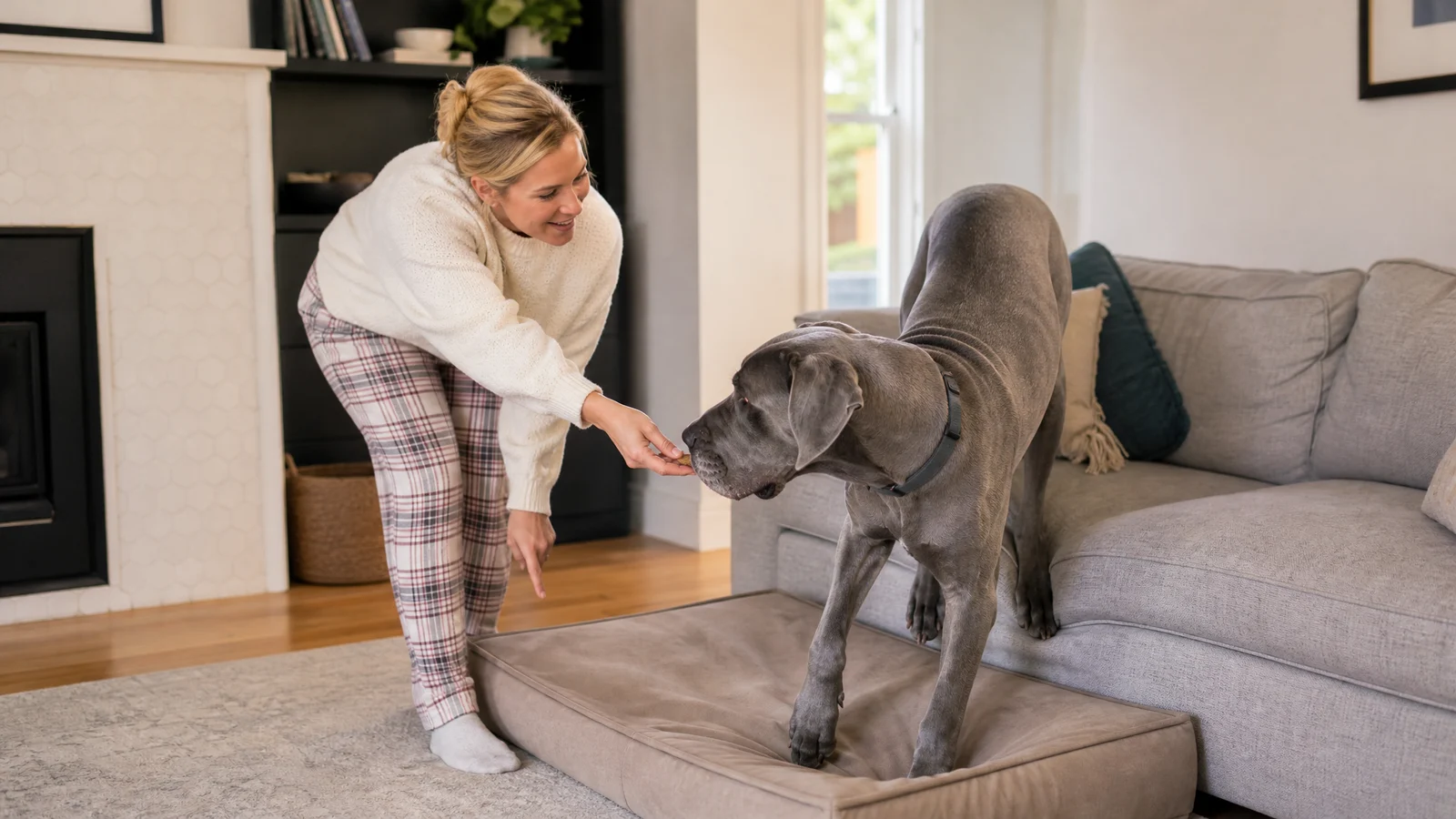 BehaviorGreat Dane on the Couch: Teaching Off, Settle and Space
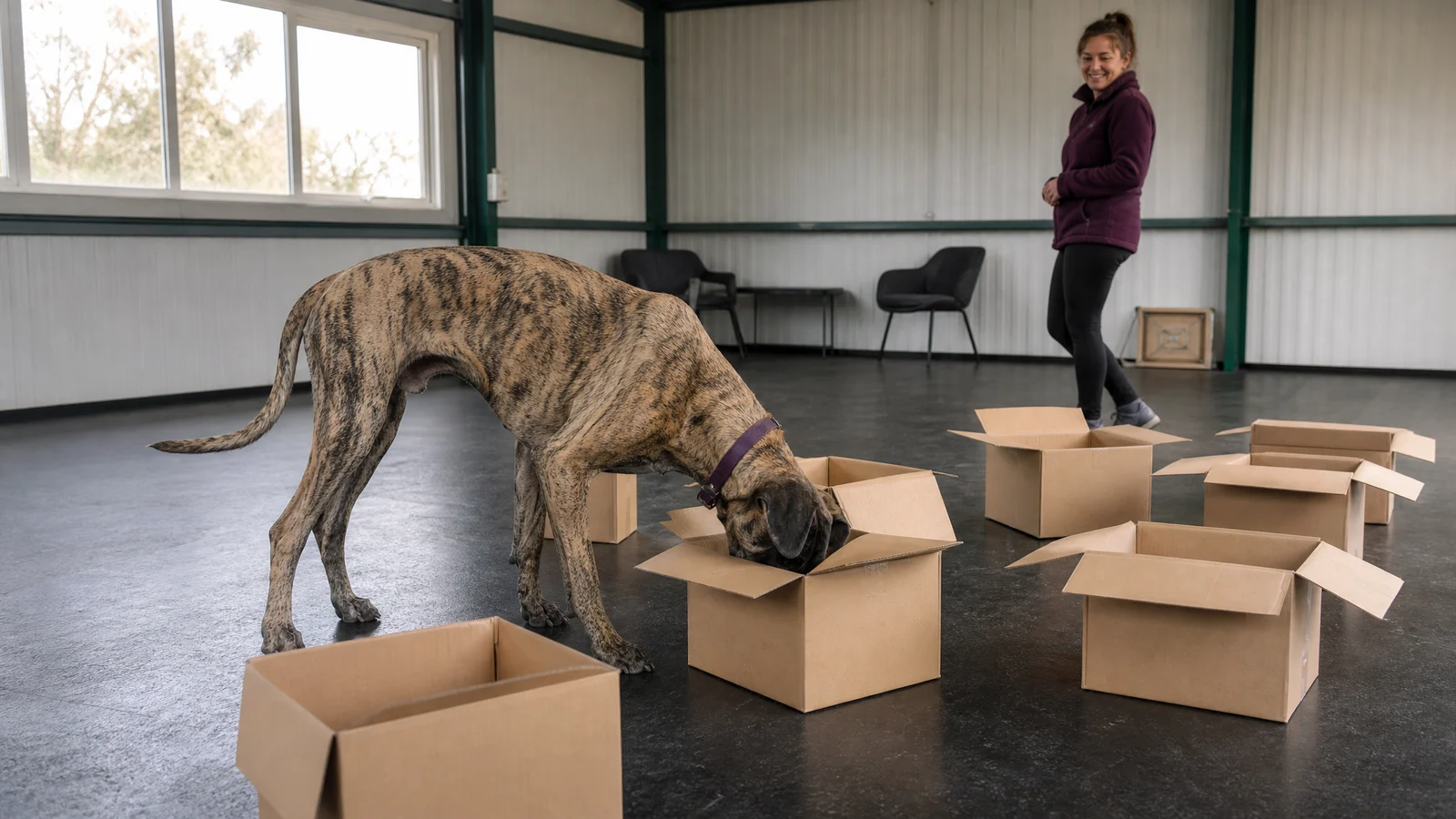 Exercise and jobsGreat Dane Sports and Jobs Chosen by Motivation