 Great Dane
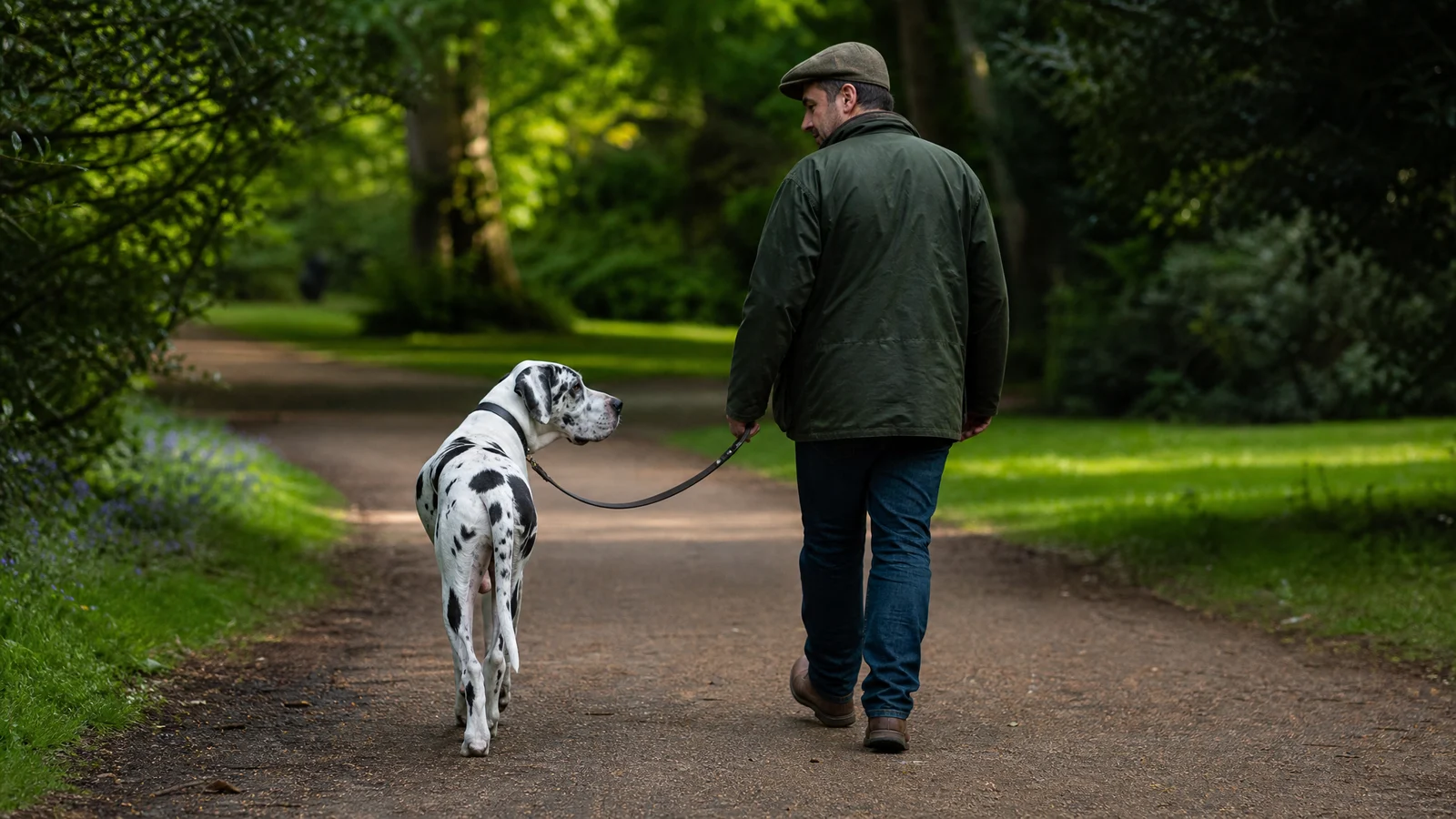
How much exercise does a Great Dane need? A fixed number cannot answer for every individual, and it misses half the problem. The useful question is whether today's mix of movement, sniffing, learning and recovery leaves your dog comfortable indoors without making them frantic, reluctant or worn out.
Begin with a manageable routine and adjust one part at a time. This guide treats activity like a dial rather than a mileage target. You will learn what to watch after a walk, how brain games can change the day and when variety may help more than added distance. The desired result is a Dane who can engage, think and then settle.
Start the Great Dane Exercise Dial Low
Build the first version of the routine from activities your dog already handles comfortably. A relaxed walk with time to sniff, a short reward-based lesson and an easy search game make a clear baseline. Keep the sequence similar for several days so you can see patterns instead of reacting to one lively evening.
The UKC breed page describes the Great Dane as easygoing and inclined to lounge near a loved one. That does not mean the breed needs no activity. It means indoor rest can be part of a successful rhythm, not evidence that every Dane should be pushed into a longer outing.
Choose a Baseline You Can Repeat
A repeatable plan beats an ambitious plan that happens only occasionally. Pick a walking route with room to change direction, a training location with good footing and one indoor game that requires little setup. The routine should fit an ordinary weekday, because consistency makes the dog's response easier to interpret.
Record only a few observations: interest at the start, ease of movement, response to cues and how the dog settles afterward. Avoid turning the notes into a performance score. You are looking for changes that help you decide whether tomorrow needs more challenge, less intensity or simply the same plan again.
Read the Hour After Great Dane Exercise
The period after activity tells you more than excitement at the front door. A dog may look eager because the leash predicts access to smells and companionship, then show that the outing was too demanding by struggling to get comfortable later. Observe the whole cycle.
Signs the Setting May Be Useful
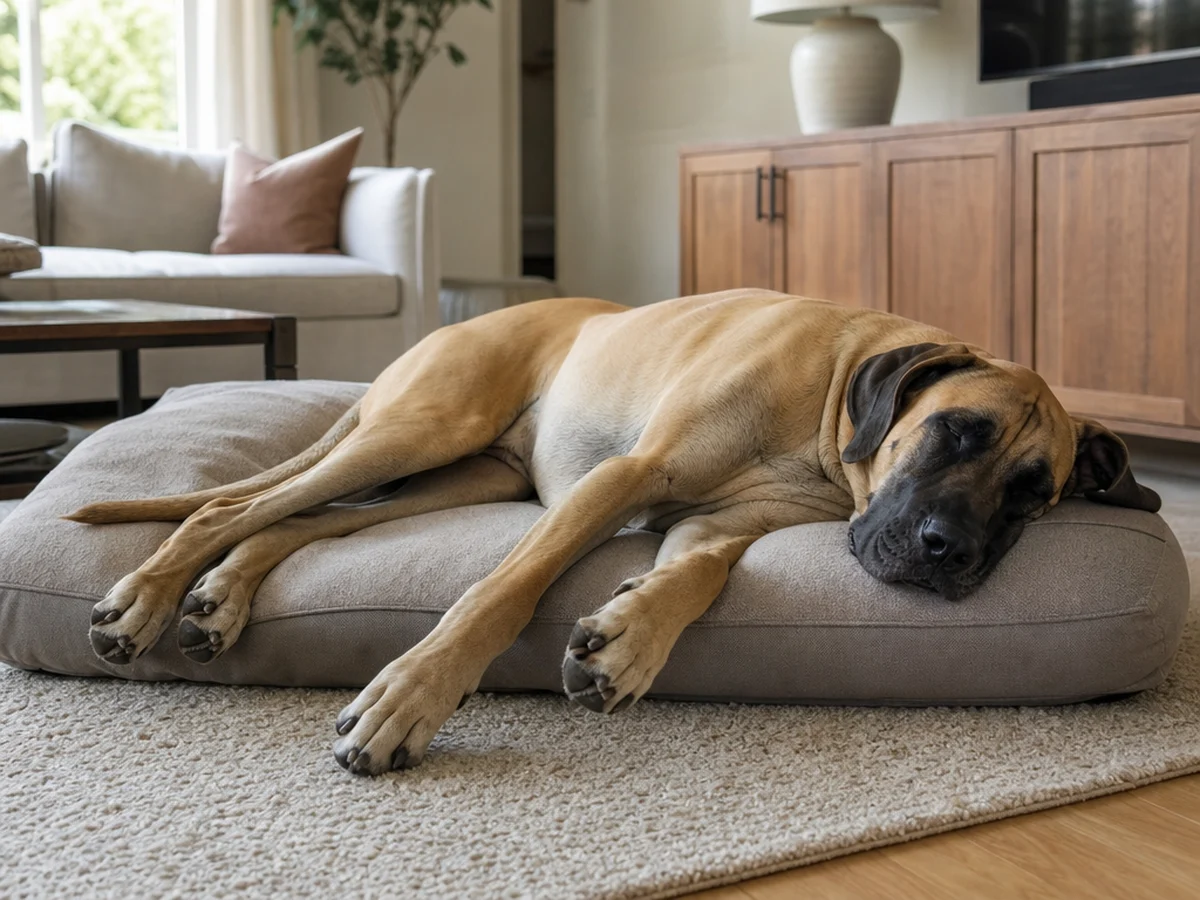
A workable session usually ends with a smooth transition. The Dane drinks, moves around normally, chooses a resting place and can respond when the household changes. They may have a brief playful spell, but they do not need constant intervention to come down from it.
Look at the next outing too. Willing participation matters. If the dog repeatedly avoids the route, lags, moves differently or seems uncomfortable, stop increasing the workload and ask your veterinarian what is appropriate. That is individualized care, not a reason to impose a general exercise number on every Great Dane.
Signs the Dial Needs a Change
Restlessness does not always mean “more miles.” A Dane who races around immediately after a stimulating outing may need a quieter route or a practiced settling routine. A dog who searches the house for trouble may need a thinking task. A dog who seems reluctant or uncomfortable needs less demand and professional guidance.
Change one variable, then observe again. Swap a fast walk for a sniffing walk, move the route to a calmer time or replace extra distance with a short search game. If you alter the length, location and game together, you will not know which change helped.
Use Sniffing as Great Dane Brain Work
Sniffing is not wasted walking time. The ASPCA enrichment guide explains that using the nose indoors or on walks is stimulating, calming and informative for dogs. A route with safe opportunities to investigate can therefore do more than a hurried loop of the same distance.
Let your Dane choose some sniffing points while you keep the leash loose and the route safe. Mark and reward check-ins so exploration does not become towing. Alternate a stretch of free sniffing with a brief section of walking beside you, then release the dog to investigate again.
Make the Walk a Search, Not a March
Scatter a few pieces of food in clean grass and cue the dog to find them. Use an area where you can see what is on the ground, and keep the search small enough that the Dane stays with you. The same game can move indoors with food hidden in open boxes or among safe household objects.
For a dog who becomes tense around other dogs, enrichment does not replace distance and management. Best Friends guidance recommends working where the dog can notice another dog without reacting, moving away and rewarding. Choose quiet sniffing routes while that skill develops.
Brain Games That Fit an Indoor Day
An indoor day does not have to become a contest to tire the dog. Select games that ask for observation, choice and self-control. End each one while your Dane is engaged, then give them a chance to rest rather than chaining activities until they stop participating.
- Find the treat: Place food in one of several open boxes and let the dog search with their nose.
- Hand target paths: Mark contact with an open palm, then guide roomy, calm turns around furniture.
- Object names: Teach the name of one safe toy by rewarding a look, touch and eventual pickup.
- Mat choices: Put two mats in different rooms and reward the dog for settling on the one you indicate.
- Food puzzles: Use a suitable puzzle that stays stable, supervise it and make the first version easy.
The ASPCA notes that meals can become enrichment opportunities. When appropriate, move some food from the bowl into a puzzle or search instead of automatically adding extras. The point is thoughtful engagement, not keeping the mouth busy every waking minute.
Rotate games instead of presenting all of them daily. Familiar tasks build confidence, while an occasional small change keeps the dog thinking. If frustration appears, simplify the setup immediately and reward an easy success.
Turn Up Variety Before Exercise Distance
When the baseline no longer seems satisfying, change the experience before extending every walk. A new quiet route, a different sniffing surface or a few rewarded direction changes can add information without turning the outing into an endurance test.
Training can also give familiar movement a purpose. Practice a hand target at the start of the walk, a pause at curbs and a mat settle after returning home. The physical path remains manageable, but the dog has several clear problems to solve.
Pair Movement With Recovery
Plan the calm part before raising the challenge. Put the mat down, prepare water and know what the dog will do when you return. Reward a voluntary lie-down after the activity. This does not manufacture exhaustion. It teaches the transition from engagement to rest.
Do not assume a dog who can keep moving should keep moving. The PDSA exercise guide emphasizes that needs vary by breed and individual. Use your dog's response and veterinary advice to shape the plan, especially when age, health or a change in movement affects what is comfortable.
Turn Down an Overstimulating Exercise Routine
More activity can create a busier dog when every outing is crowded, fast or unpredictable. If your Dane returns home scanning, pacing and reacting to small sounds, test a lower-stimulation version. Visit a quieter place, allow more sniffing and reduce the number of greetings.
A settling cue works best when it has been taught in easy conditions. Reward the mat at home, then near the door, then after a short walk. Do not wait for the most wound-up moment to introduce the skill. Familiarity gives the dog a route back to calm.
Use this decision sequence before adding exercise. Work through it in order so an environmental problem is not mistaken for a need to extend the outing.
- Ask whether the dog had enough opportunity to sniff and make safe choices.
- Check whether the environment was harder than usual because of traffic, dogs or noise.
- Offer one familiar brain game at an easy level, then observe the recovery.
- Reduce the next session if the dog seems reluctant, uncomfortable or unable to settle.
Repeated distress around triggers calls for qualified behavior help, while physical changes call for your veterinarian. Those situations need individual assessment. They should not be answered by simply turning the exercise dial higher.
Great Dane Exercise Across Changing Days
A useful routine bends with weather, household demands and the dog's condition. On a calm day, a longer sniffing route may fit. On a busy day, two brief outings and an indoor search may create a better balance. The components can move without abandoning the overall rhythm.
Puppies, adults and older dogs do not need identical challenges. Avoid importing a precise schedule that the brief does not support. Keep movement comfortable, build skills gradually and ask your veterinarian how age and health should change the plan for your individual dog.
Public manners can become one form of mental work after the basics are solid. A short, quiet mat rehearsal outside a cafe asks for observation and recovery without requiring a full meal. Our Great Dane exercise and patio guide shows how to build that outing in stages.
The Next Adjustment to the Exercise Dial
After several comparable days, ask three questions. Did your Dane approach activities willingly? Could they settle afterward without remaining frantic? Did they move comfortably during the session and later? Those answers point toward the next small adjustment.
If engagement and recovery both look good, keep the baseline or add one modest novelty. If the dog remains restless, test a new thinking task or calmer route before adding distance. If willingness or comfort declines, reduce the demand and seek professional advice when the change persists.
For a dog who enjoys structured challenges, Great Dane sports can provide a next step. Keep the same principle: the individual dog's interest and recovery decide whether an activity belongs. Great Dane exercise succeeds when movement, brain work and rest support one another, not when a generic number wins.
Keep routine veterinary visits as part of the overall plan. Bring notes about reluctance, altered movement or recovery that has changed, because those observations help the veterinarian advise you about the individual dog while this guide stays within training and enrichment.
 Training basicsThe Complete Reward-Based Great Dane Training Guide
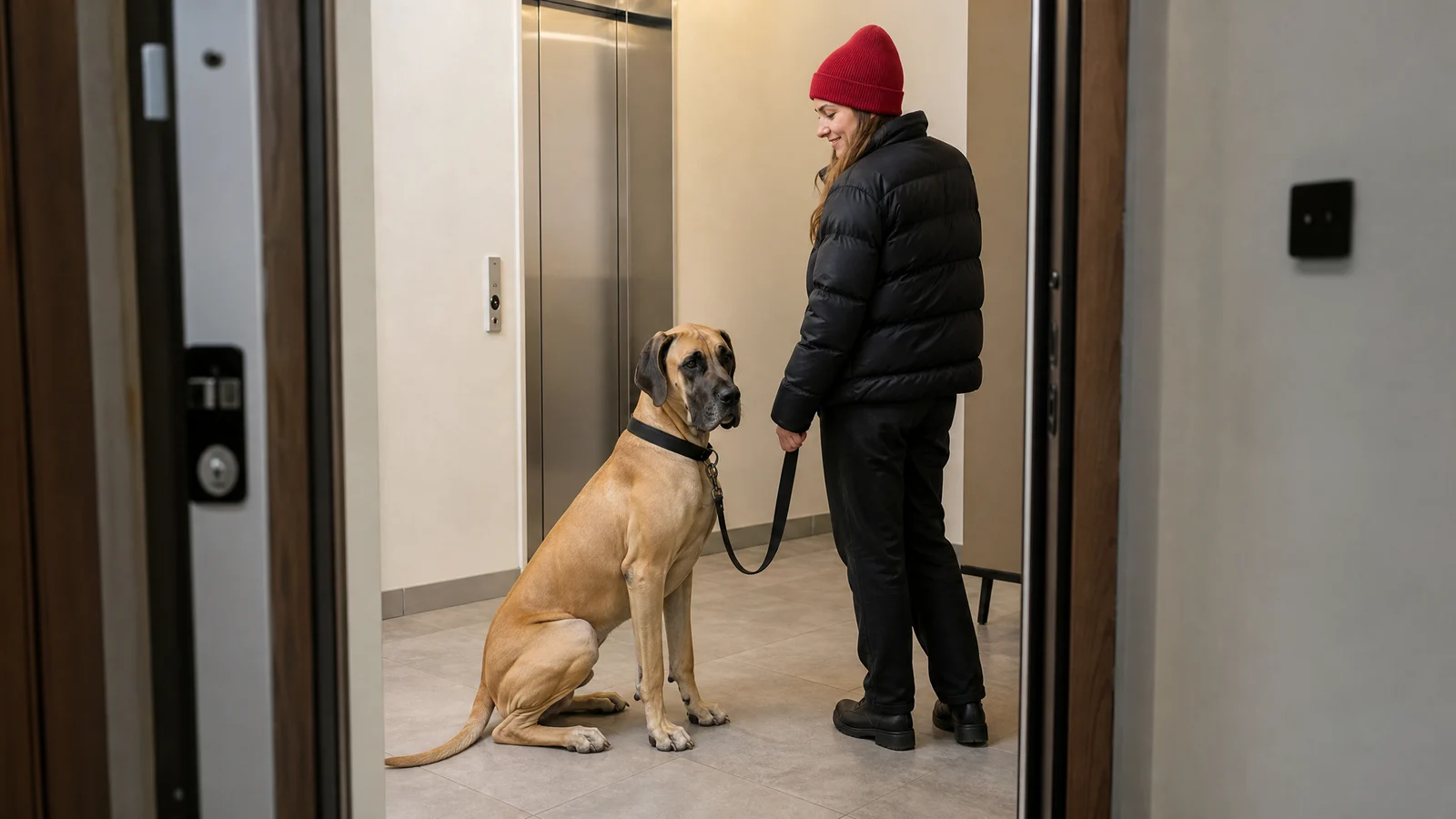 Training basicsHow to Teach a Great Dane Calm Apartment Manners
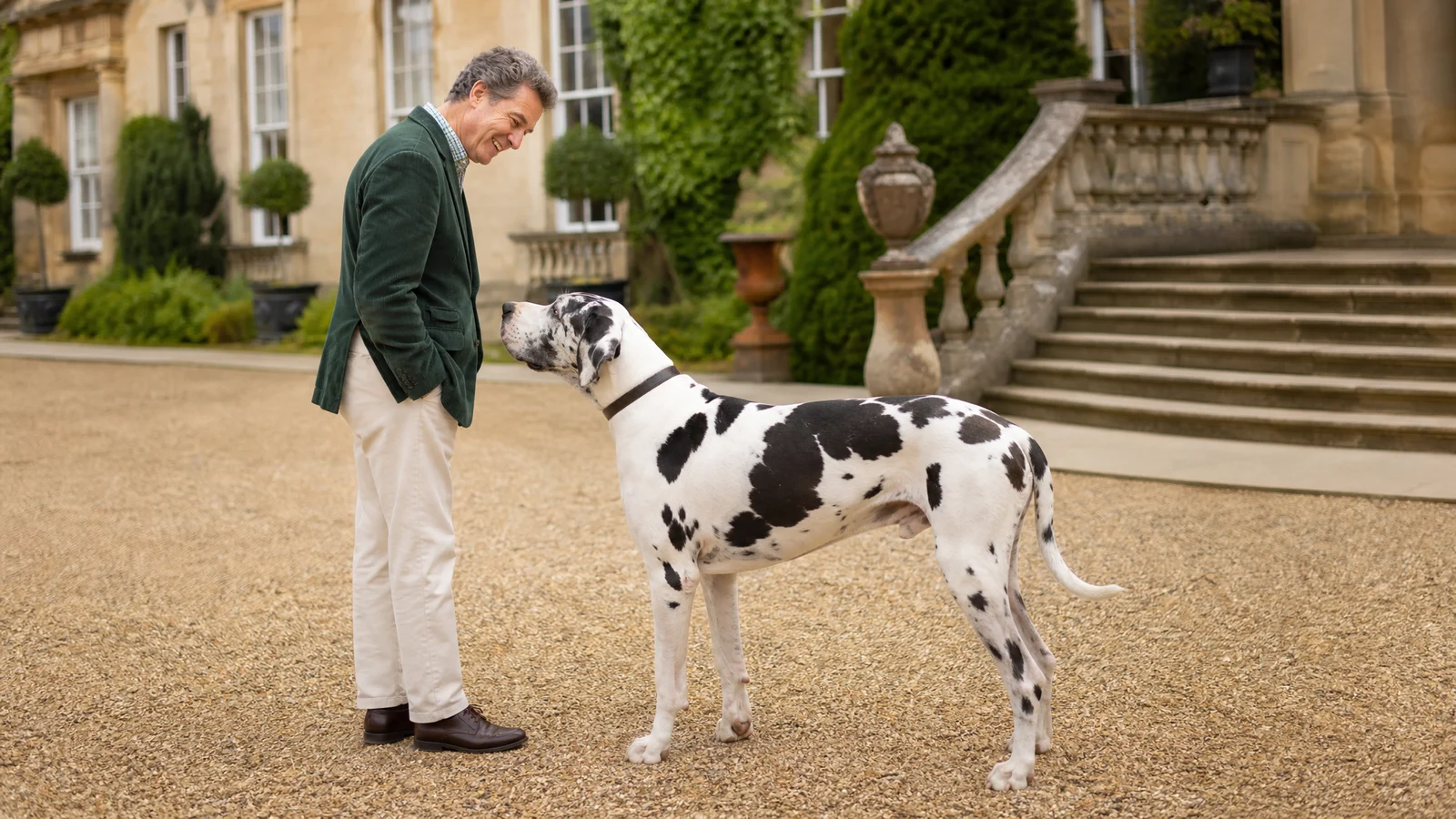 BehaviorWhy Great Danes Jump Up and What to Reward Instead