 Great Dane
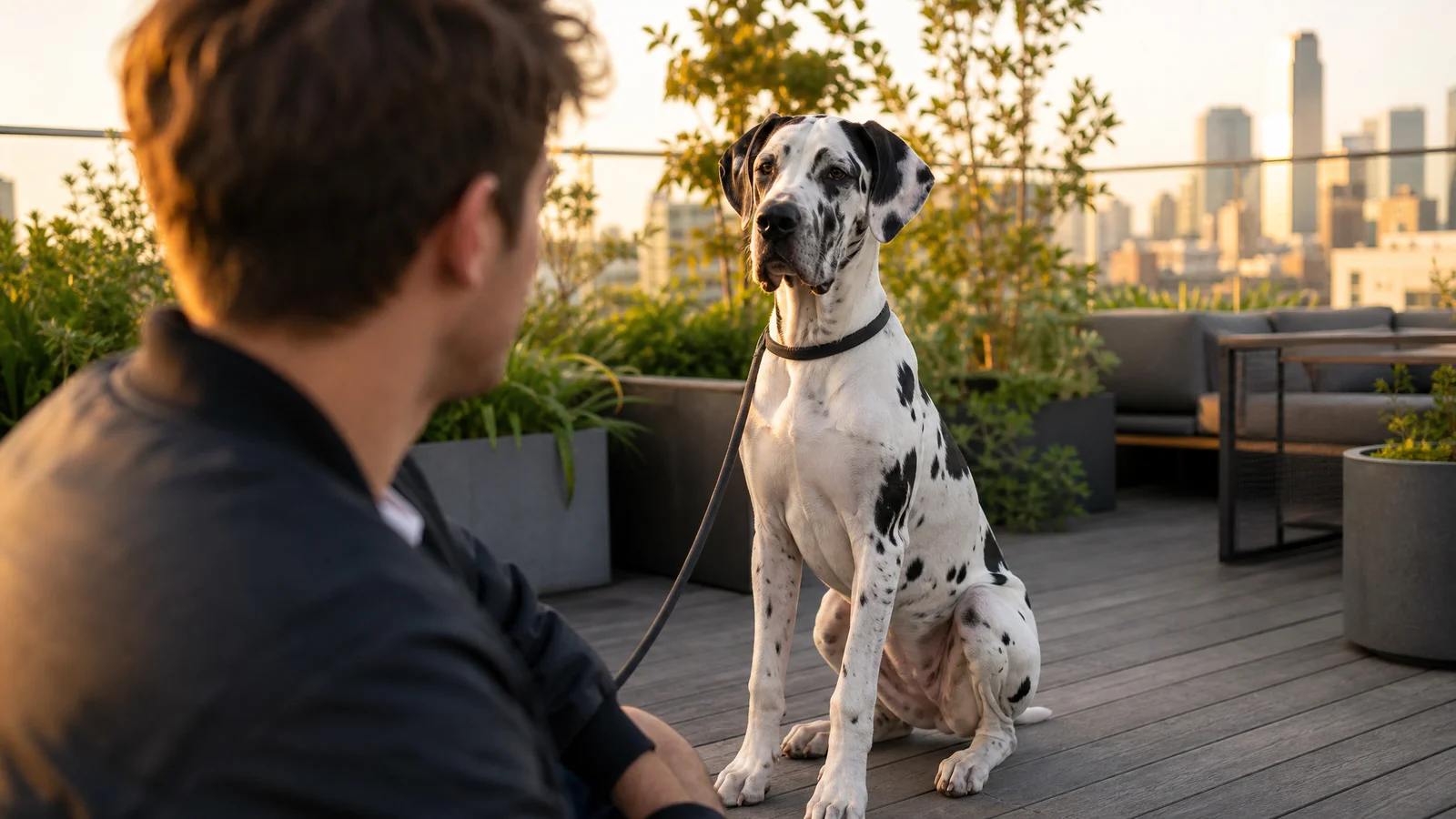
At six months, a Great Dane may look physically capable of adult work while attention, coordination and judgment are still changing. A familiar cue can disappear outdoors, a calm puppy can become socially uncertain and a body growing by the week can tire in unfamiliar ways. The answer is a smaller, visible capacity budget rather than harder repetition.
In this guide, you will budget teenage training across attention, movement, social experience and recovery. We will reset expectations, measure usable focus, rebuild cues, manage freedom and review the plan each week. Veterinary guidance remains part of the budget because adolescent appearance does not make a growing Dane physically finished or behaviorally settled.
Reset Great Dane Teenage Training Expectations
Adolescence can change what the dog notices and how quickly the dog recovers. Dogs Trust adolescent guidance describes changing attention, confidence and behavior. Treat a forgotten cue as information about the setting and current capacity.
List the skills that still work in a quiet room, at the doorway and outside. Do not label the teenager stubborn when performance changes across those places. Return to the easiest version, reinforce it and raise one difficulty at a time.
Reduce the day's plan after travel, visitors, poor sleep or a difficult outing. Capacity is shared. A dog who used most of it coping with a new place may have little left for a long leash lesson.
Keep rules stable even when criteria become easier. Doors remain managed, food stays out of reach and greetings remain grounded. Management prevents the large adolescent from rehearsing behavior while skills are rebuilt.
Write a current baseline instead of comparing every day with the puppy's best week. Name the quiet-room response, the outdoor distance and the recovery pattern that work now. That gives the household a fair starting point.
Expect uneven days. A teenager may perform well in the morning and struggle after a busy afternoon. Adjust the remaining budget rather than using the hard period to prove that the cue still exists.
Measure Attention for Teenage Great Dane Training
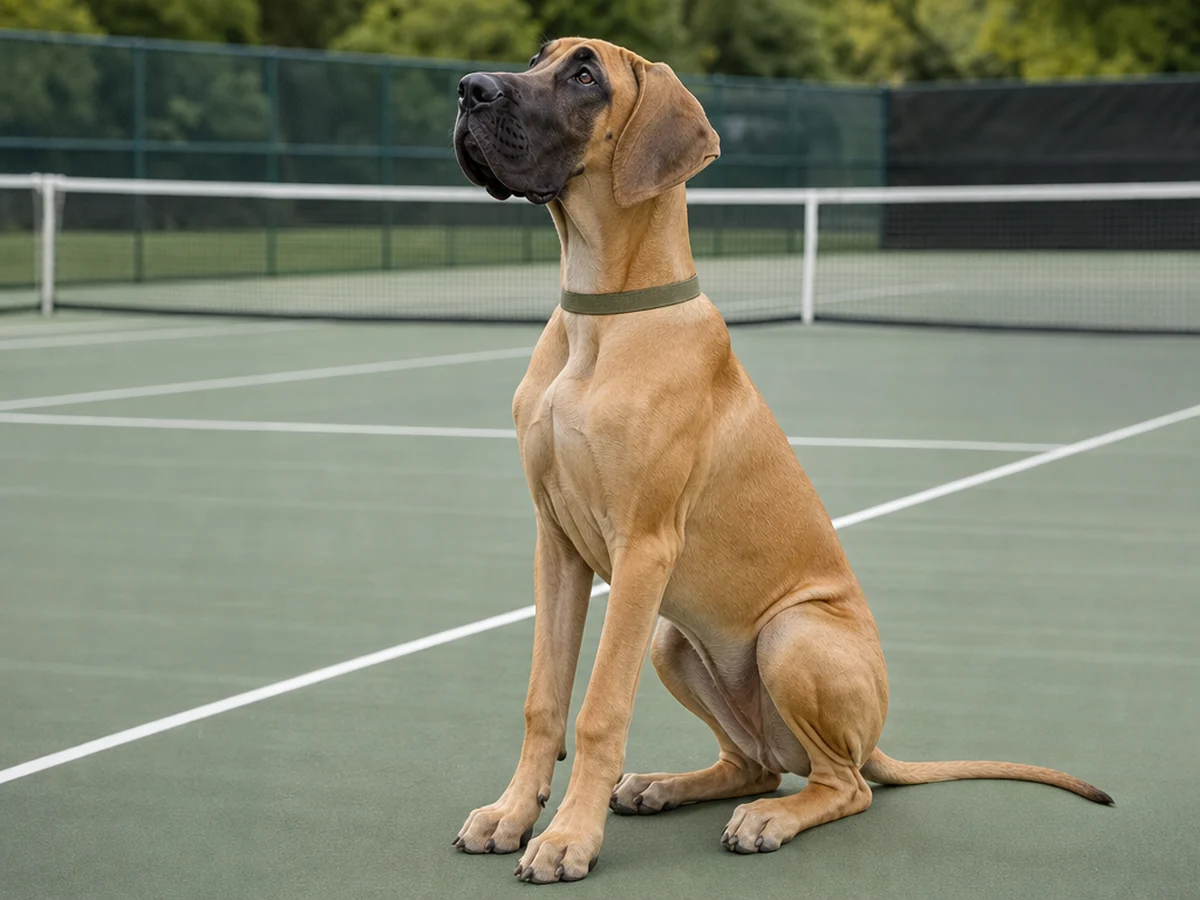
Find the length of a useful session by watching response quality. Begin with one familiar cue and reward promptly. Stop while the dog can still orient, eat and move comfortably. The final successful repetition is a better endpoint than a preset number of minutes.
| Capacity Area | Available Signs | Budget Is Low |
|---|---|---|
| Attention | Can orient and respond | Scanning, delayed response, refusal |
| Movement | Loose, coordinated gait | Sloppy turns, lagging, reluctance |
| Social | Can observe and disengage | Fixation, retreat or frantic approach |
| Recovery | Settles after activity | Pacing, wild mouthing or persistent fatigue |
Use rewards suited to the setting and the dog's health plan. A missed response may mean the environment is too difficult, not that food needs to become endlessly richer. Increase distance or simplify before changing the whole reward system.
The site's complete Great Dane training guide explains splitting duration, distance and distraction. Apply that split again during adolescence.
Keep an attention session to one goal. A few useful leash turns should not automatically become recall, handling and a long settle. Separate lessons let the handler see which demand spent capacity.
End with a familiar release and recovery activity. The teenager should know when work is over. Without that boundary, the dog may remain watchful and the handler may keep adding spontaneous cues.
Reallocate the Great Dane Teenage Capacity Budget
When the baseline slips, change one category instead of making the entire day easier or harder. Physical recovery, cue difficulty and household freedom draw from the same limited capacity, but each needs a different adjustment. Work through the category that changed and keep the other two stable long enough to read the result.
Protect Growing-Body Recovery
The teenage body can look powerful while coordination and growth remain in progress. Ask the veterinarian about exercise, weight, gait and sport foundations. The breed club puppy guide places growth and lean condition inside the care plan.
Keep regular veterinary visits and seek advice for pain, limping, stiffness, unusual fatigue or a sudden training change. This article cannot set exercise or medical limits for an individual adolescent.
Schedule recovery after demanding environments. A sniffing break, water and quiet rest may use the remaining budget better than another drill. Record behavior later that day and the next morning when deciding whether the workload fit.
Recheck equipment often. Harness fit, vehicle access, crate space and slippery turns can change as the dog grows. Fixing a physical difficulty may restore behavior that looked like refusal.
Use the Great Dane puppy recovery plan to track movement and next-morning comfort. Teenage training still sits inside a growing-body plan.
Coordinate training and activity across caregivers. A walker should record a demanding outing so the evening handler can choose rest or an easy cue instead of spending the same budget twice.
Rebuild Familiar Teenage Great Dane Cues
Choose one cue and return to a quiet version. Reward the first correct response, release and repeat only a few times. Then change one variable, such as taking one step farther away or moving to the yard. Do not rebuild sit, recall, leash walking and settle in one session.
Reduce duration. Ask for a one-second settle or pause and release. Build uneven intervals so the dog does not learn to leave at one predictable point. Reward comfort, not a tense hold.
Restore distance gradually. Use a long line where recall safety requires it. Call once from an easy distance, reward generously and often release the dog back to sniff. Adolescence is not the time to test recall near roads or wildlife.
Lower distraction. Move away from dogs, people and food before cueing. A response at a workable distance can later transfer closer. Repeating the cue while the dog is fixated weakens the sound without creating attention.
AVSAB's humane training statement supports reinforcement and management. Setbacks do not justify painful or intimidating methods.
Use a reset sequence after an error: increase distance, ask for an easier version, reward and release. Do not repeat the failed cue at the same difficulty. The easier response protects the cue and gives the dog a successful exit.
Rebuild with several short sessions across days rather than one long catch-up. Adolescence rewards patient repetition because the same skill must become available again in changing bodies and environments.
Rebudget Freedom and Rehearsal
Expand freedom when behavior is reliable in the exact setting, not because the dog reached a birthday. Use gates, leashes, long lines and cleared surfaces to prevent access to mistakes. Management protects learning while judgment develops.
Give one new freedom at a time. The dog might gain access to one room after settling, a longer sniffing line in a secure field or a short visitor greeting. Remove the privilege calmly when supervision ends.
Do not confuse a physically large dog with one ready for unsupervised household access. Counter reach, chewing and doorway crowding can become more consequential at this size. The environment should make the safe choice obvious.
Share the current budget with walkers and family. Name the cues, routes, known triggers and conditions that end an outing. Consistency prevents one person from spending the whole day's capacity before another starts training.
- Keep exterior doors and unsafe rooms physically managed.
- Use a long line where recall is not yet reliable.
- Clear counters and secure chewable household objects.
- Return one freedom only after the matching behavior is dependable.
Review freedom after visitors, travel or a routine change. Temporary tighter management can prevent a setback from becoming a new habit. Restore access in small pieces when the household rhythm returns.
Social Changes in Great Dane Teenage Training
An adolescent may become more cautious, more excited or more selective around people and dogs. Observation does not require greeting. Use distance where the Dane can look, eat and turn away. Leave before fixation or fear grows.
AKC adolescent puppy guidance describes continued physical and behavioral development. Protect the dog from forced contact and choose familiar, compatible partners for any social time.
For dog interactions, use parallel walking or brief play with pauses rather than crowded groups. For visitors, use barriers and a mat before offering a greeting. Social capacity can be low even when physical energy looks high.
Seek veterinary and qualified behavior help for escalating fear, aggression, inability to recover or any bite risk. Bring notes about triggers, distance and body language rather than waiting for the teenager to grow out of it.
Protect positive social relationships while reducing pressure. Walk with a familiar dog at distance, let the Dane observe people without contact and end before fatigue. Social learning does not require a greeting or play session every time.
Practice calm departures as well as approaches. Leaving a person or dog can be difficult for an adolescent. Reward turning with the handler and provide a sniffing route away instead of dragging the dog from the interaction.
Review the Great Dane Teenage Capacity Budget
Once a week, review what the Dane could do comfortably and what consumed the most capacity. Choose one adjustment: a shorter session, more recovery, greater trigger distance or one restored management step. Keep the other parts stable so the result is readable.
The adolescent plan succeeds when familiar skills return without sacrificing comfort or safety. Six months is a checkpoint, not a finish line. A useful Great Dane teenage budget respects the growing body, reinforces the choices still available and keeps enough capacity in reserve for ordinary life after training ends.
- Choose one weekly change and keep the other budget areas stable.
- Tell every caregiver what changed before the next outing.
Save one weekly note for the veterinarian or trainer when needed. A concise pattern of activity, triggers, response and recovery is more useful than a judgment that the dog had a bad week.
Keep one easy success in every week's plan. A familiar mat cue, short search or quiet leash segment gives the teenager a place where effort remains understandable while harder skills are rebuilt.
Compare weeks by recovery and availability, not perfection. A dog who turns away from a trigger sooner or settles after a shorter session is gaining usable capacity even if adolescence still produces uneven performance.
Adjust the next budget before the calendar fills. Schedule recovery around visitors, classes and travel, and leave space to cancel optional practice when the Dane shows that the day is already full.
Share the weekly adjustment in one sentence with every caregiver. “Short quiet walks and no visitor greetings this week” is easier to follow than a long account of recent setbacks.
Keep the review tied to behavior the household can observe. Response latency, trigger distance, recovery and next-morning movement guide action more clearly than labels such as difficult, defiant or dramatic.
 BehaviorWhy Your Great Dane Acts Like a Watchdog and How to Fix It
 Training basicsWhich XXL Crate Fits a Great Dane, and How to Teach Them
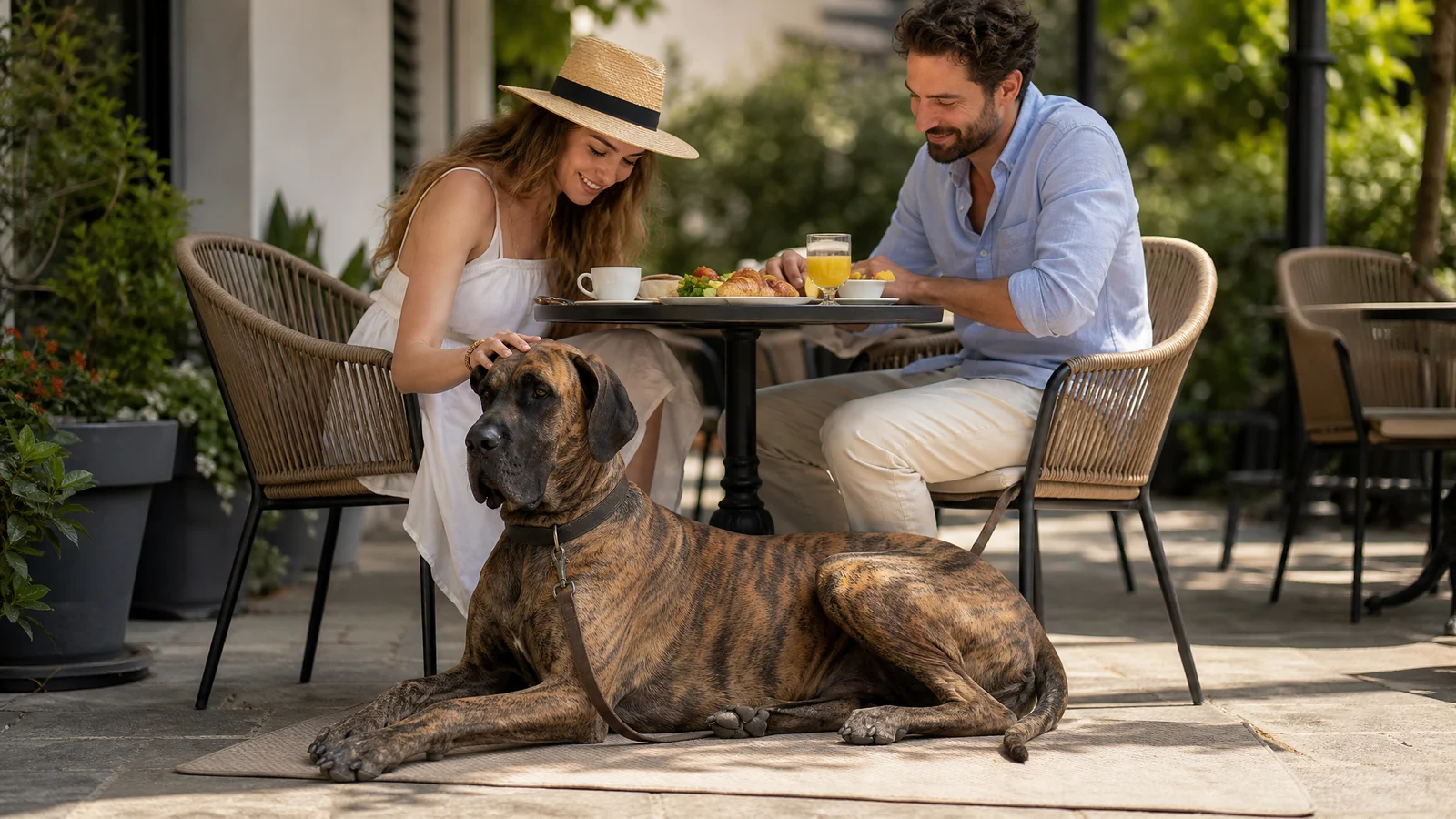 Exercise and jobsGreat Dane Brunch and Patio Manners